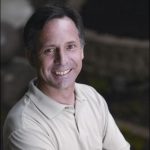
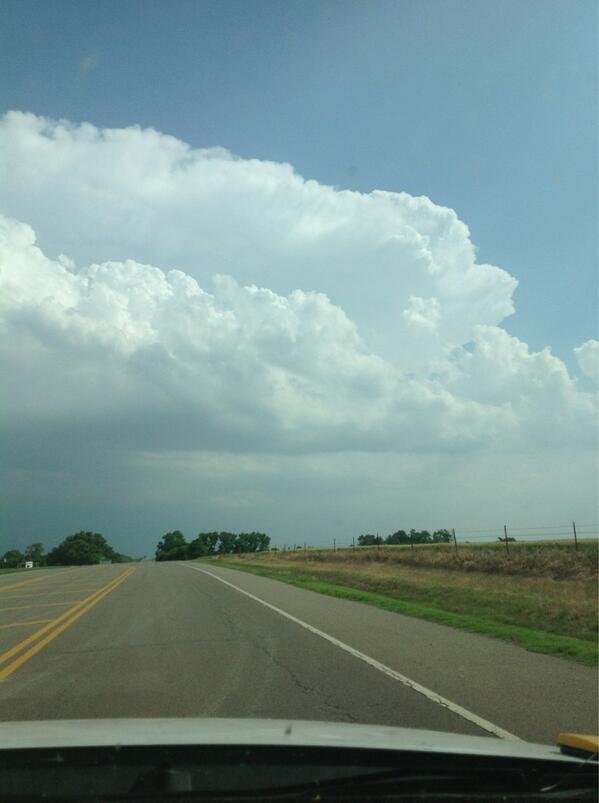
This was the last message of Tim Samaras who only a few hours later, along with his son, Paul, and meteorologist Carl Young, died after a tornado generating winds of up to 175 mph picked up their car and threw it somersaulting through the air, landing half a mile away.
The storm chasing team were monitoring the tornado, deploying atmospheric pressure probes to test infrasound tornado sensors when their car was hit. The trio were heard screaming ‘we’re going to die, we’re going to die’ on highway-patrol radio moments before they were killed by the widest tornado ever recorded, measuring in at 2.6 miles.
Samaras was the founder of a field research team called Tactical Weather Instrumented Sampling in Tornadoes EXperiment (TWISTEX) which sought to better understand tornadoes. His work was funded in large part by the National Geographic Society (NGS) awarding him 18 grants for his field work.
Samaras designed and built his own weather instruments, known as probes, and deployed them in the path of tornadoes in order to gain scientific insight into the inner workings of a tornado. With one such in-situ probe, he captured the largest drop in atmospheric pressure, 100 hPa (mb) in less than one minute, ever recorded when a F4 tornado struck one of several probes placed near Manchester, South Dakota on June 24, 2003. The accomplishment is listed in the Guinness World Records as “greatest pressure drop measured in a tornado”. The probe was dropped in front of the oncoming tornado a mere 82 seconds before it hit.
The meteorological expert’s daredevil exploits made him a star on the Discovery Channel’s Storm Chasers, right up until the show was cancelled in 2012.
A special episode was broadcast in 2013 titled “Mile Wide Tornado: Oklahoma Disaster”, and featured the three members of the TWISTEX team and the record breaking tornado that took their lives.